Understanding the Lifecycle of Trees: Insights from Loockerman's Experts Jun 04, 2026
Each tree’s life begins with a tiny seed, a powerhouse of life packed with the potential to transform into a towering giant. The germination process requires the perfect blend of soil, moisture, and sunlight, sparking the beginning of the tree's journey. As the seed sprouts, careful attention to watering and soil quality helps the sapling develop a strong root system. At this stage, trees are most vulnerable to disease and environmental stress, making it crucial to monitor their health closely.
As trees mature, they transition into adolescence. During this period, trees exhibit the most rapid growth, both in height and circumference. It's at this phase that strategic pruning is crucial. Proper pruning not only enhances the tree's shape and structure but also promotes robust growth by allowing sunlight to reach deeper into the foliage. Loockerman's Tree and Stump Removal suggests regular pruning schedules to help identify and remove any weak or diseased branches, preventing future issues as the tree grows.
Adulthood is when trees reach their full potential. This is the longest phase of a tree's lifecycle, where they provide maximum environmental benefits such as carbon sequestration, shade, and habitat for wildlife. Mature trees do require continuous care to safeguard their health. This includes checking for signs of pest infestations, fungal infections, and structural weaknesses. The use of mulch around the base can help retain moisture and ward off disease. Additionally, regular inspections by a certified arborist can detect issues before they become critical.
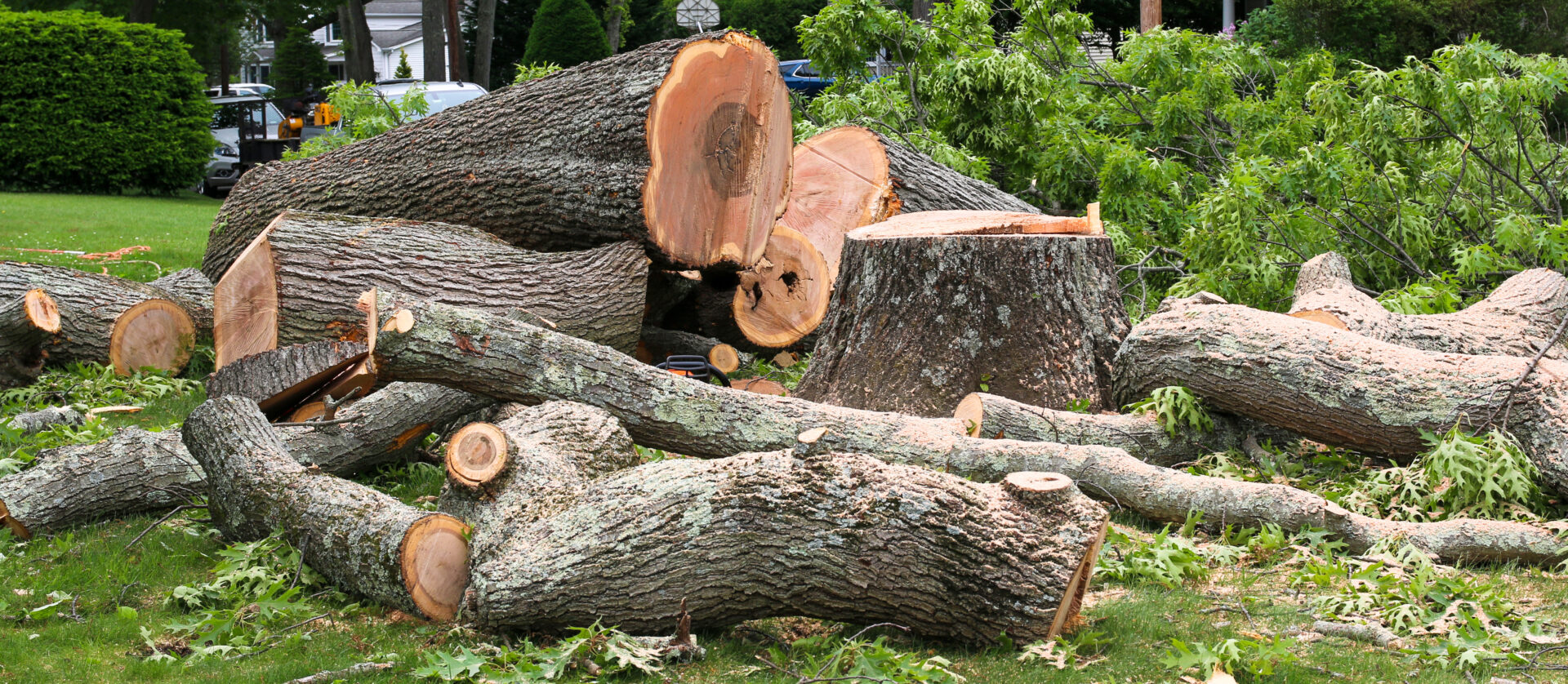
Eventually, trees enter old age, a phase characterized by slower growth and increased vulnerability to external factors. The experts at Loockerman's advise keeping a watchful eye on older trees, as their structural stability can diminish over time. Proactively managing deadwood and offering supplemental support, like cabling, may be necessary to maintain safety. When older trees reach a point of irreversible decline or pose a risk to property, removal may be the most responsible option.
Understanding these stages not only enriches our appreciation for trees but also guides us in providing better care. With insights from Loockerman's Tree and Stump Removal, tree owners can make informed decisions that prolong their tree’s lifespan, enhance their property’s beauty, and contribute positively to the environment. Tree care is a responsible stewardship that benefits both people and the planet, creating a lasting legacy for future generations.
In conclusion, being aware of the lifecycle of trees empowers homeowners to effectively care for these vital components of our ecosystem. Whether it's nurturing young saplings or managing the complexities of mature tree care, each phase offers opportunities for proactive health management. Partnering with professionals like the team at Loockerman's ensures that the beauty and benefits of trees can be enjoyed for many decades to come. With careful management, trees will continue to be a blessing to our lives and landscapes, standing tall as symbols of nature’s resilience and splendor.
/filters:no_upscale()/filters:format(webp)/media/7852271c-8c20-41ae-8fc8-58eb36c90c89.jpeg)
/filters:no_upscale()/filters:format(webp)/media/610b29f2-4968-4639-894c-bd9d33810374.jpeg)